You are starting from zero
You want to enter the profession and build good habits from day one: tools, sections, shape, fades, ergonomics and client service.
Barber training in Tychy
Practical barber training led by Alina Redka — owner of ALIA Barber and a working barber. Instead of memorising one haircut, the focus is on analysis, technique and decisions you can repeat independently after the course.
No pressure and no empty promises — we start with your actual level and goal.
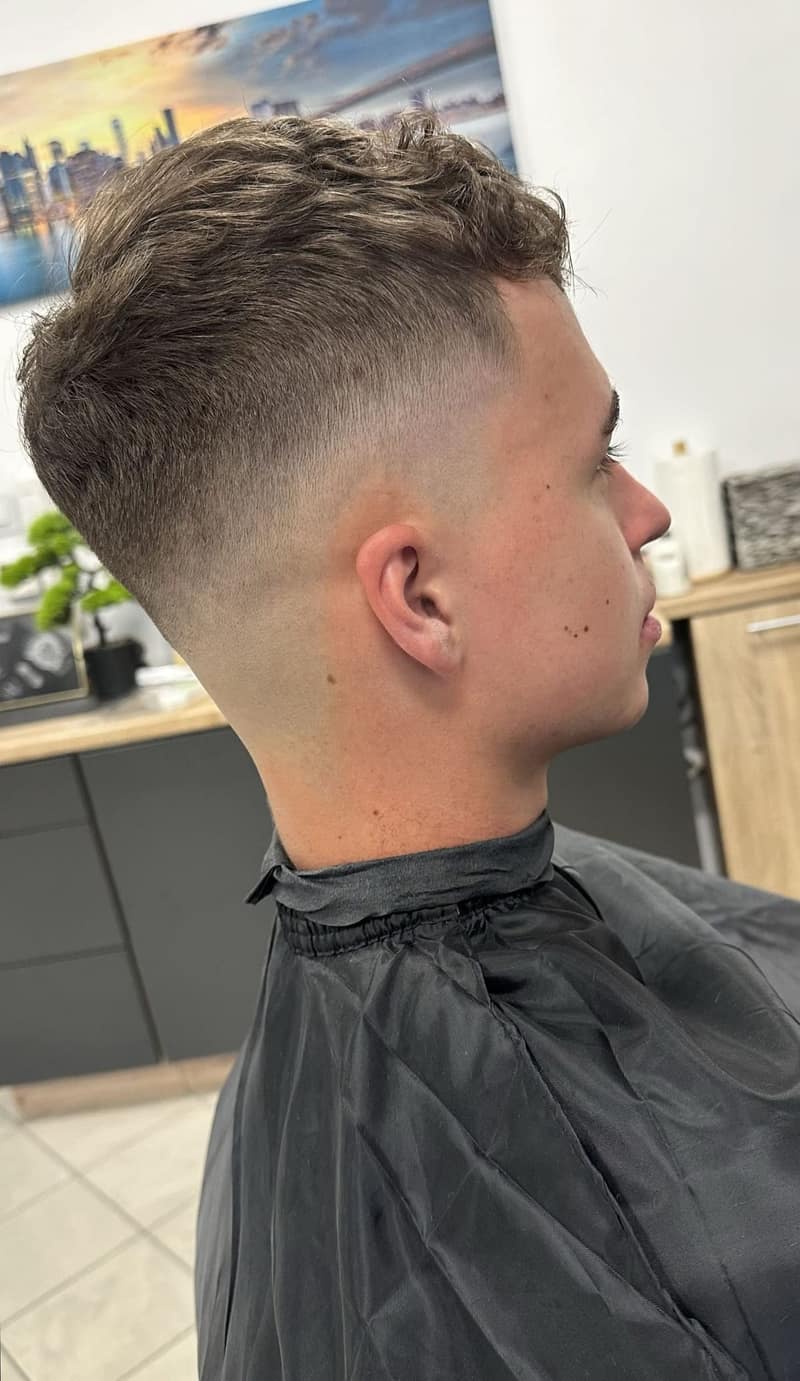
Who it is for
Your starting point matters. The training should match what you already know and what you want to be able to do afterwards.
You want to enter the profession and build good habits from day one: tools, sections, shape, fades, ergonomics and client service.
You have already done your first cuts but lack a clear system. We work on mistakes, repeatability and conscious technique selection.
You want to refine a specific area — blends, shape, scissor work, beard work, consultation, speed or workflow.
How you learn
The goal is not to copy one haircut next to an instructor. After training you should know what to observe, how to choose an approach and how to correct the result.
Head and face shape, growth direction, density, hairline and the client’s expectations — before the first cut is made.
Sections, separations, clipper and scissor control, weight, blends and outlines. Every movement should have a clear purpose.
We do not wait until the end. Mistakes are identified during the process so you understand the cause and how to correct it immediately.

Instructor
Barber, studio owner and course instructor
I run my own barber studio in Tychy and work every day with different hair types, head shapes and client expectations. My work is built around precision, consultation and a haircut that still works after the client leaves the studio.
During training I show not only what to do, but why a technique works and when a different solution is the better choice.See my portfolio
Programme
The programme covers the key elements of deliberate barbering practice. The exact scope is matched to your level and training goal so course time is spent on what you genuinely need.
Client conversation, identifying needs, analysing hair and head shape, choosing a direction and planning the cut.
Conscious use of clippers, trimmers, scissors and combs, workstation organisation, safety and ergonomics.
Sections and separations, control of length and weight, scissor work and connecting areas into one coherent shape.
Planning the gradient, clipper control, managing dark areas, cleaning transitions and finishing the outline.
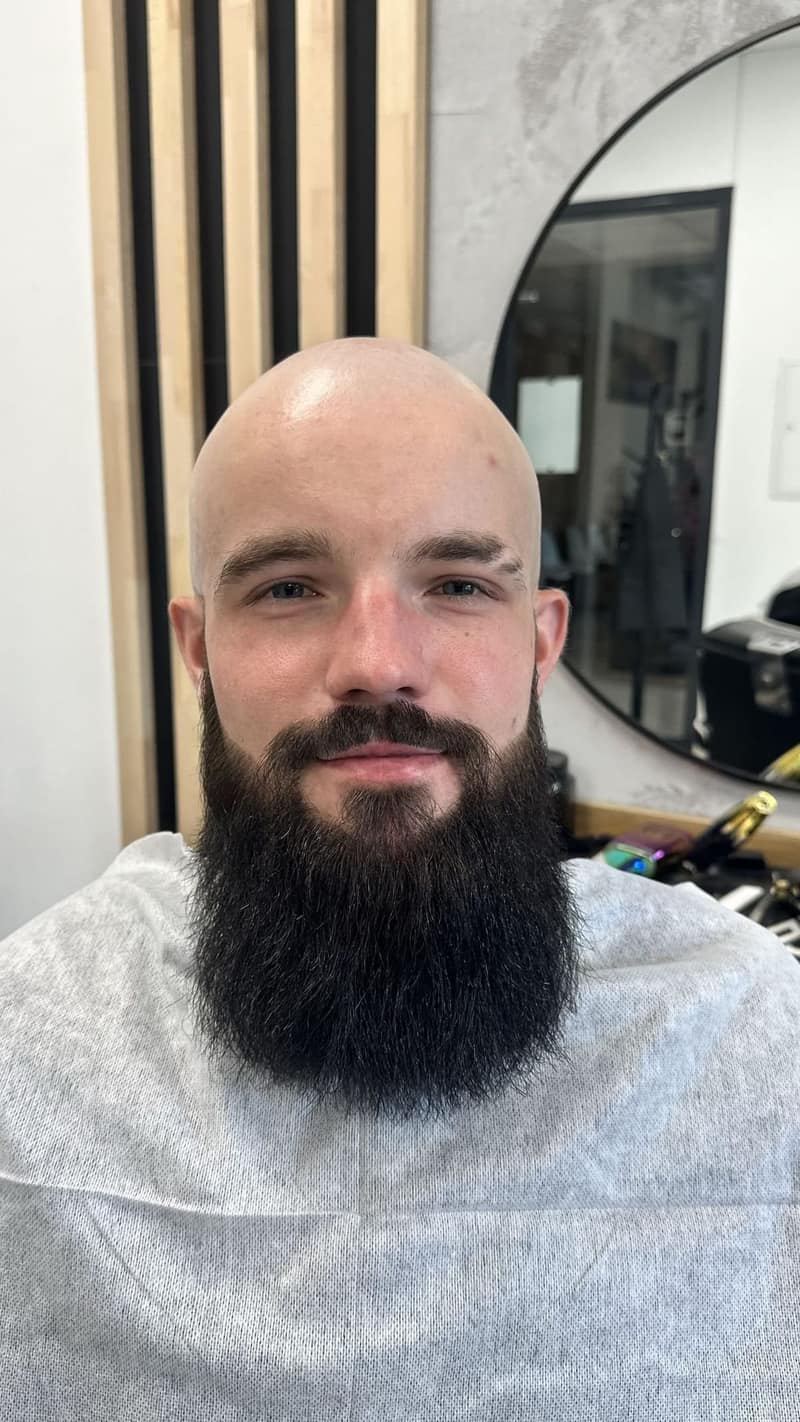
Growth analysis, proportions, outlining, trimming and connecting the beard with the haircut as one coherent result.
Work sequence, time control, communication, photographing the result and a method for reviewing your own work after training.
Organisation
The hours, format, date and price of each edition are confirmed before enrolment. You know exactly what you are booking, with no hidden assumptions.
Find your training directionCraft
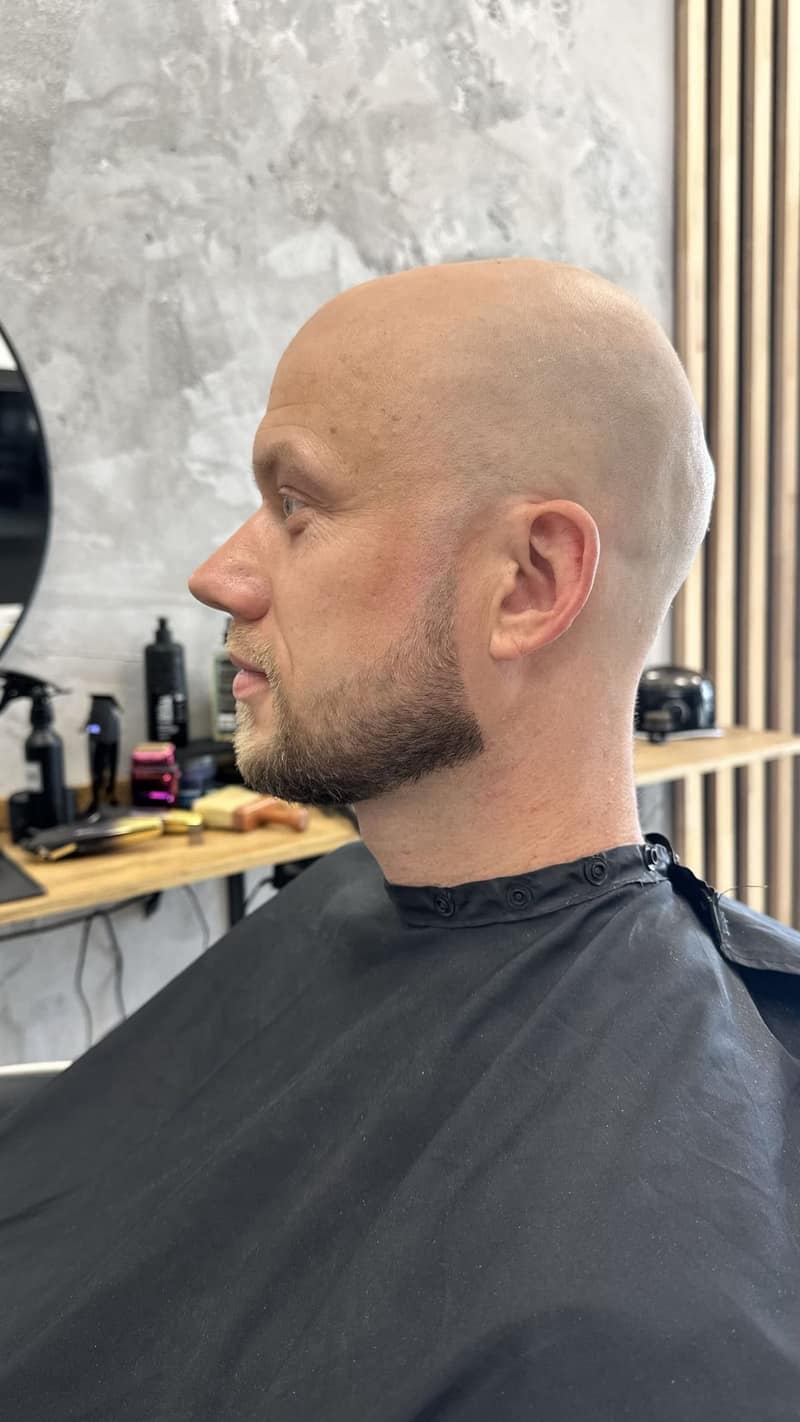
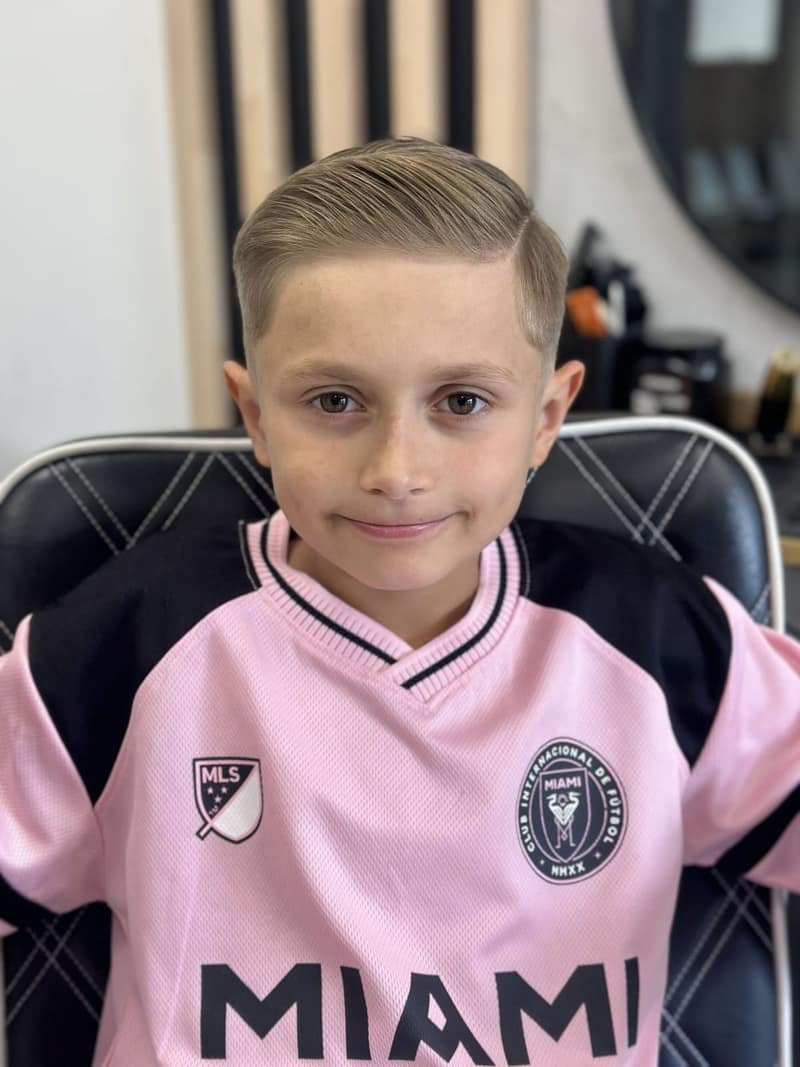
Real work is the strongest proof of an instructor’s craft. These are selected results from the ALIA Barber portfolio — no stock imagery and no unsupported claims.

Training fit
Choose your level, goal and preferred format. You will get an initial recommendation, then discuss the details directly with Alina.
Questions
No. The page supports both a beginner path and technical upskilling. Before enrolling, define your real level so you do not pay for material you already know.
Equipment depends on the specific course edition. Before payment, every participant should receive a clear list of what is provided and what they need to bring.
That depends on the format. Model arrangements should be confirmed for every edition — the page deliberately does not promise them until organisation is settled.
If a specific course includes a certificate, it will be stated in the course details. The document itself does not replace practice — real skills remain the priority.
Price and duration depend on your level, the scope and whether training is 1:1 or group-based. Before enrolment you receive the full programme, duration and price for that specific edition.
Confirm the teaching language directly with Alina before enrolling. The website itself is already prepared in Polish, Ukrainian and English.
Next step
You do not have to choose a course blindly. Answer three questions, see the recommended direction and only then discuss the programme, date and price.